
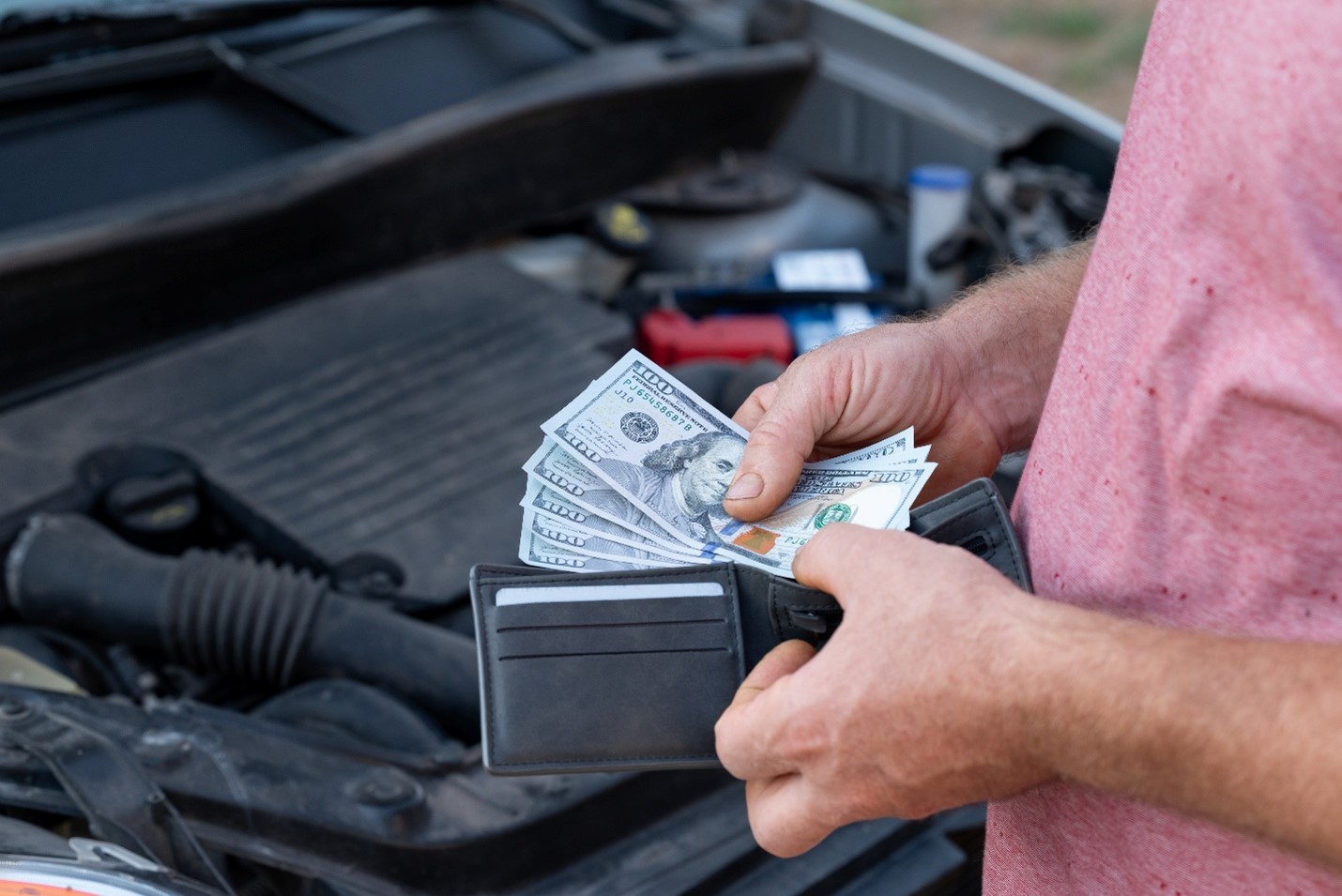
This is the conversation we probably have with our customers most often, and it’s rarely an easy one to have. The estimate comes back at three thousand dollars, the car’s got some years on it, and the driver looks at me and asks the fair question: “Is it even worth fixing?”
Here is the honest framework I give my customers because there’s no single right answer. However, there is a right way to think about it.
Let’s start with this: a repair almost always costs less than a replacement. In 2026, that’s truer than ever before. New and used car prices have stayed high, financing isn’t cheap, and the “just get a newer one” reflex costs a lot more than it used to. A $3,000 repair sounds like a big number until you line it up against a $30,000 replacement and a new monthly payment. Suddenly it looks like a bargain that buys you another couple of years by driving your paid-off car.
However, money isn’t the only question. Here’s how I weigh it:
- First, what’s the repair, and what does it buy you? A $3,000 repair that returns the car to solid, reliable condition is often money well spent. It may be a needed transmission or engine job on a car that’s otherwise sound. However, a $3,000 repair on a car that’s about to need another $3,000 next month is just throwing good money after bad.
- Second, what’s the condition of the rest of the car? This is where a proper inspection matters. If the frame is solid, the rust is under control, and the other major systems have life left in them, you’re investing in a good foundation. If the car is worn out all over and this repair is just the first domino, that changes things. We’ll tell you which one you’ve got, even if it means less work for us.
- Third, do you trust the car? A vehicle you know, that’s never left you stranded, that fits your life, has real value that doesn’t show up on a used-car website. Reliability you can count on is worth paying to keep.
- Fourth, the rough rule of thumb. If the repair costs less than the car is worth, and the rest of the vehicle is in good shape, repairing usually wins. When the repair starts to approach the car’s value and the car has other problems stacking up, that’s when replacement earns a serious look.
Try not to make your decision out of fear or frustration in the moment the estimate lands. That’s the worst time to make a good decision. Let us walk you through exactly what the car needs now, what it’s likely to need soon, and what shape the rest of it is in. Then with all the facts in hand, you make an informed decision.