

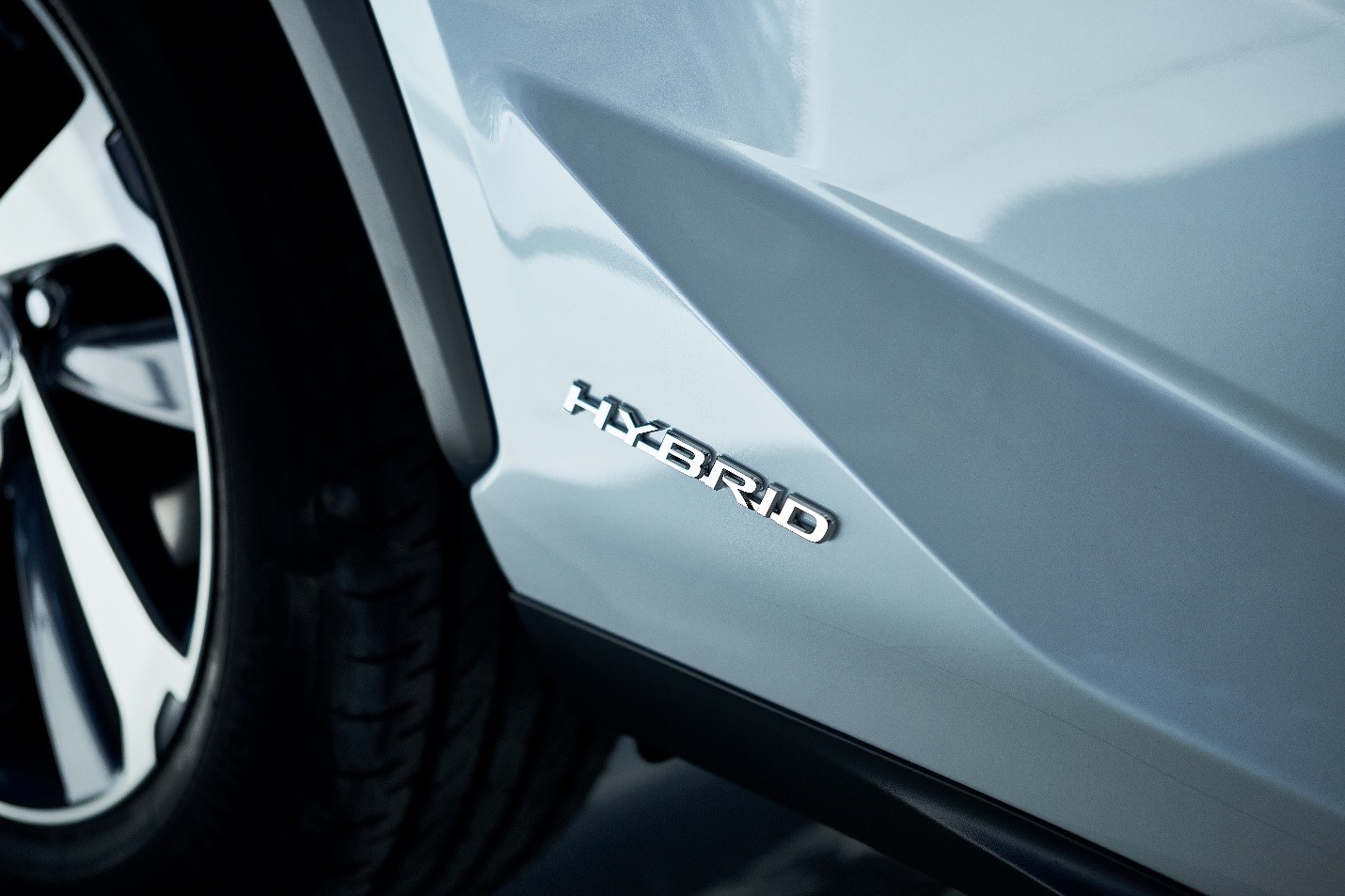
I’m a fan of hybrids. When the technology is looked after, it can be reliable and efficient, and we’ve had good relationships with a lot of hybrid vehicles over the years. But I want to have a straight conversation about something we’re seeing in the shop: hybrids, and plug-in hybrids especially, are coming in for service more than they used to. There are good reasons for this and understanding them will make you a better hybrid owner.
Here’s the heart of it. A hybrid isn’t a simpler car. It’s two propulsion systems sharing one vehicle. You’ve got a conventional gasoline engine with everything that entails, and alongside it an electric system with a high-voltage battery, one or more electric motors, and the sophisticated electronics that decide, moment to moment, which power source to use. A plug-in hybrid adds an even larger battery and a charging system on top of all that. More systems working together means more that has to stay in harmony. And this requires special attention by an experienced auto technician.
Here are some specific reasons for the extra shop time plug-in hybrids are seeing:
The fleet is aging. The first big wave of hybrids and plug-ins has been on the road long enough that batteries, cooling systems, and electronics are reaching the age where they need service. That’s normal for any technology maturing and it’s just arriving now.
Batteries need conditions to thrive. High-voltage battery packs have their own cooling and management systems. When those aren’t maintained, the battery works harder and ages faster. Heat is particularly hard on them, and Maryland summers have plenty of it.
Brakes behave differently. Hybrids use regenerative braking, which means the friction brakes get used less. That sounds like good news, and often it is — but brakes that sit unused can seize, corrode, or stick. Ironically, “low-wear” hybrid brakes sometimes need attention because they’re underused.
The humble 12-volt battery. Most hybrids still have a small conventional battery to run the computers and start the system, and when it weakens, it can cause a surprising range of gremlins that look like big problems but aren’t.
Software and integration. All that switching between gas and electric is managed by software, and the systems have to be diagnosed together, not in isolation. This is exactly the kind of work where an experienced independent shop like BA Auto Care can make a difference. Servicing a hybrid safely means respecting the high-voltage system and having auto technicians with the training and tools to work on them properly We approach a hybrid as one integrated vehicle, looking at how the gas side, the electric side, and the electronics are working together, rather than treating them as separate cars sharing a body. If you own a hybrid or plug-in, don’t worry. You’re driving a great, energy efficient vehicle. Just keep up with the maintenance, don’t ignore the small warning signs, and work with people who understand both halves of what makes your car go. Do that, and a well-cared-for hybrid can serve you very well for a very long time.