
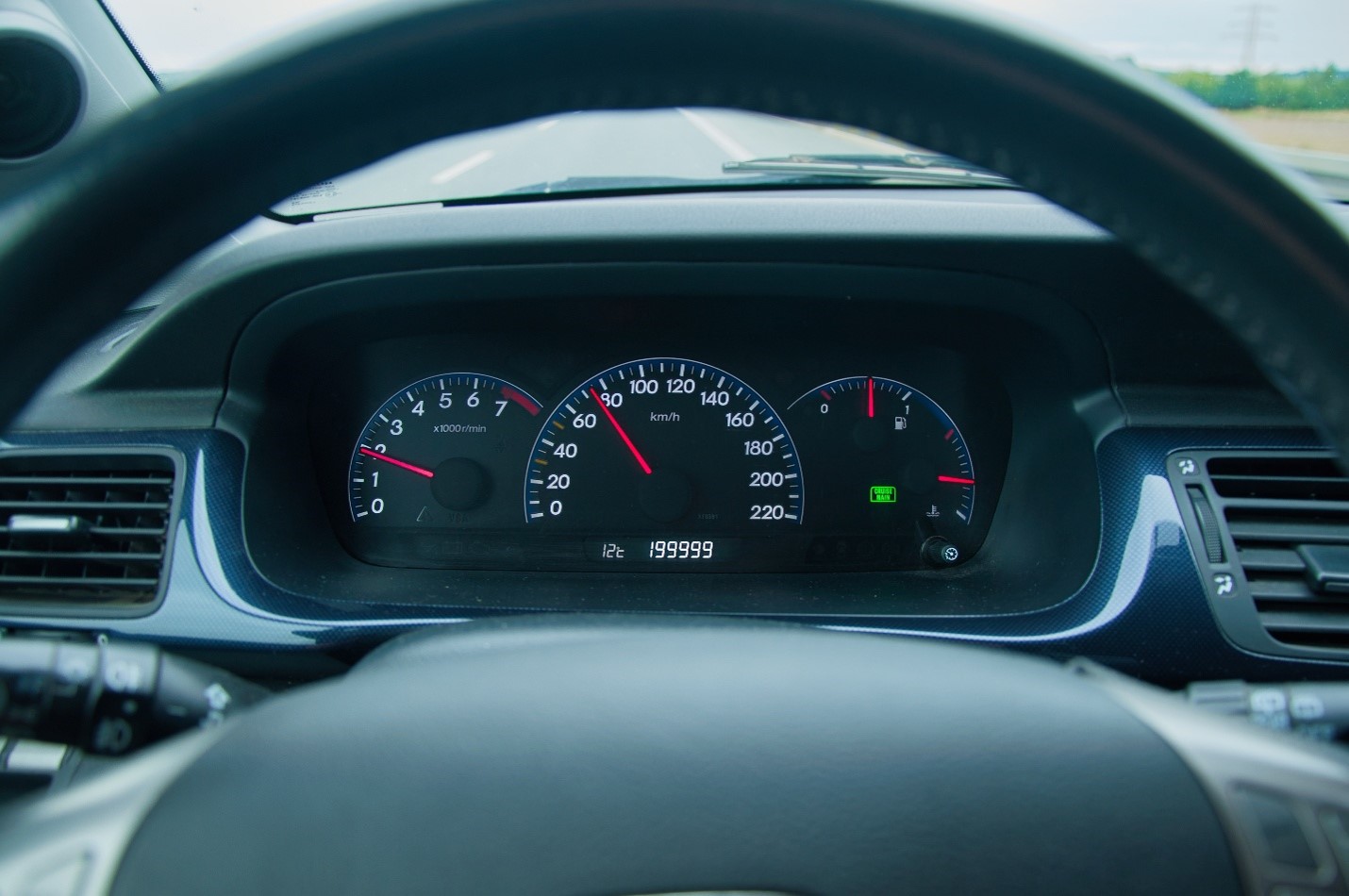
There’s a new auto club that you may be ready to join. No dues, no meetings, just one requirement: get your car to 200,000 miles and beyond, running strong. It used to be a rare achievement. With the right care, it is fast becoming the smart financial move.
People are keeping their vehicles longer than at any point in my career. The average car on the road is older than it’s ever been. I think this can be a good thing. A paid-off car that keeps running is one of the best deals in your household budget. However, high mileage is a partnership. Your older car will hold up its end of the bargain if you hold up yours. This means that you need to catch wear before it becomes a breakdown.
Here is a checklist for your high-mileage vehicle. Think of it as your membership card:
- Fluids. All of them, not just oil. Everyone changes the engine oil. Fewer people remember that transmission fluid, coolant, brake fluid, power steering fluid, and differential/transfer case fluids all wear out too. Old transmission fluid quietly destroys transmissions, and a transmission is one of the most expensive things you can neglect your way into replacing.
- The cooling system. Heat is the enemy of a high-mileage engine. Hoses go brittle, the water pump wears, the radiator ages, and the thermostat gets tired. A cooling failure can cook an engine in minutes. This is prevention worth paying for.
- Timing belt (if your engine has one). Many engines use a rubber timing belt that must be replaced on schedule. Check your manufacturer manual to see when yours needs to be replaced. It varies from vehicle to vehicle. If it snaps on the wrong kind of engine, it can cause catastrophic internal damage. If you’re past due, this is the first box to tick.
- Belts, hoses, and more. Serpentine belts, vacuum lines, and hoses all age with time and heat, not just miles. Cracks now are cheap to fix. A failure on the highway is not.
- Suspension and steering. Struts, shocks, bushings, ball joints, and tie rods wear so gradually that you may not notice how loose things have gotten until we show you. Worn suspension eats tires and hurts handling.
- Brakes. Pads, rotors, and fluid. Brake fluid absorbs moisture over the years and should be flushed periodically regardless of how the pads look.
- Spark plugs and ignition. Fresh plugs keep an older engine running smoothly and efficiently. Overdue plugs make the whole ignition system work harder.
- Tires. Age matters as much as tread. Rubber hardens over time, so a “low-mileage” tire can still be past its prime.
The common thread running through this checklist is simple: preventative maintenance is cheaper than repair, and repair is cheaper than replacement. Every item on that list is a small, planned expense that heads off a large, unplanned one. Bring your high-mileage car in and let us build a plan around where it actually is today. Two hundred thousand is a milestone. With the right care, plenty of these cars have a lot more miles left in them.